

Introduction to Ayurveda’s Approach to Stress
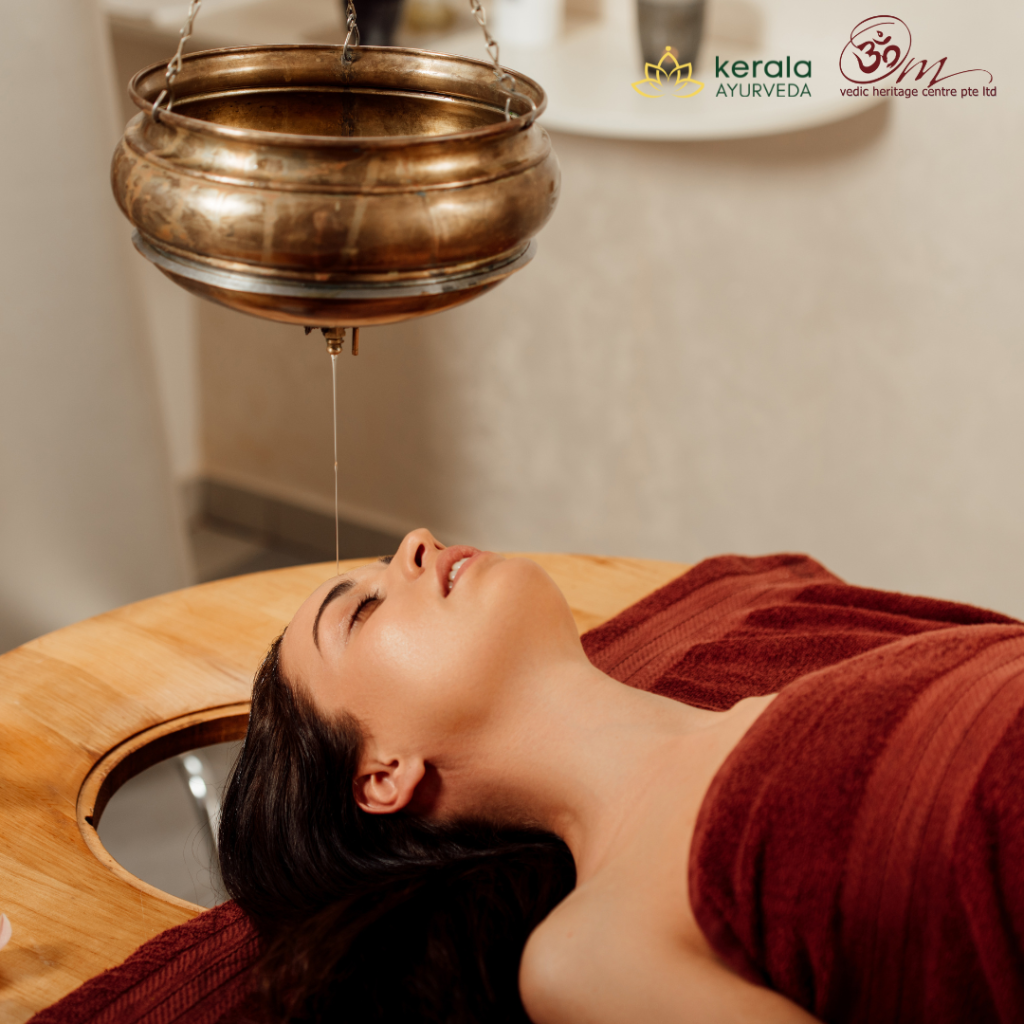
Ayurveda identifies stress as a state of imbalance, primarily an aggravation of Vata dosha (the principle of air and movement). Its approach is holistic, aiming to soothe the entire nervous system rather than just manage mental symptoms.
In our fast-paced Singaporean lives, stress is often seen as purely psychological. Ayurveda provides a deeper perspective, viewing it as a systemic disturbance that affects digestion, sleep, and overall vitality. This article explores Om Ayurveda’s natural, time-tested solutions for restoring deep and lasting calmness.
Key Factors of Stress in an Urban Lifestyle
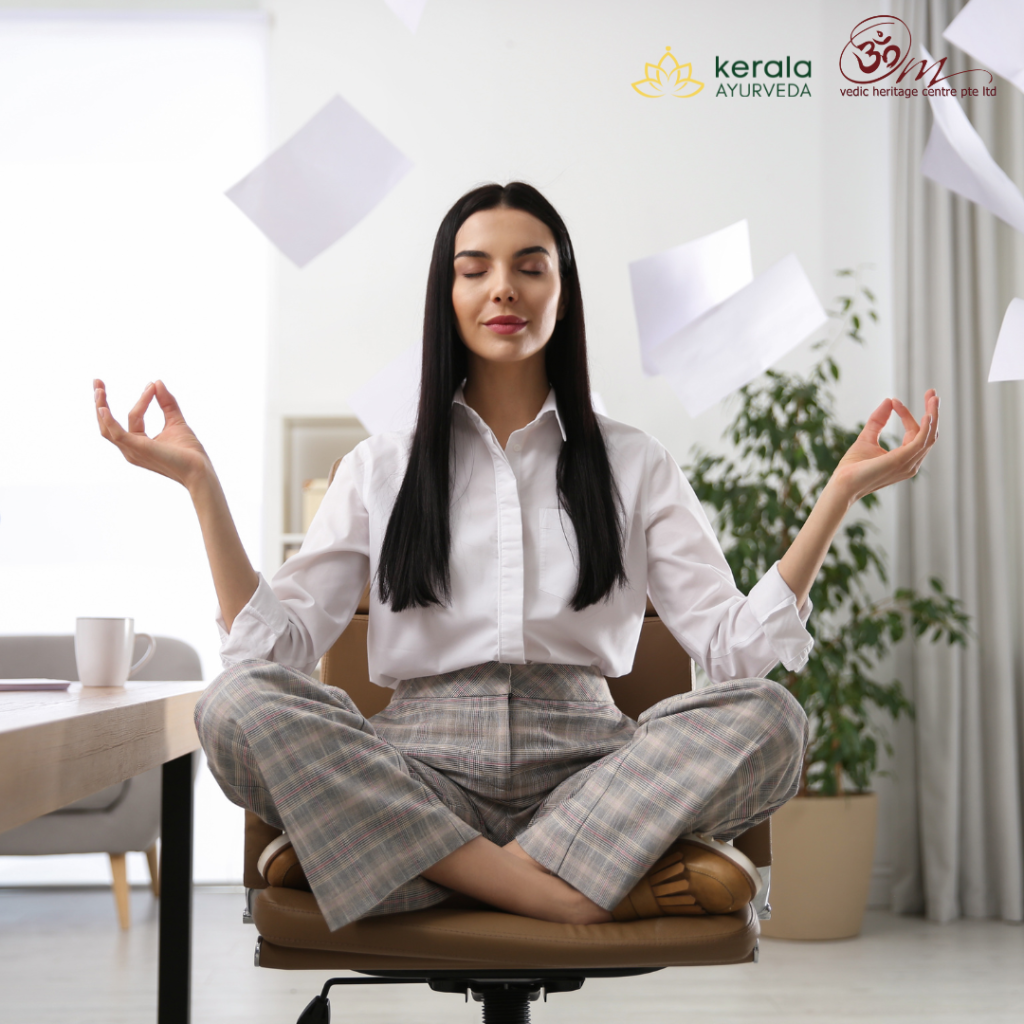
The primary drivers of stress in a modern urban environment are:
1. Constant mental overstimulation
2. Irregular daily routines
3. A diet that weakens the nervous system
The endless demands of work, constant digital notifications, and eating on-the-go contribute to excess Vata dosha. This manifests as anxiety, scattered thoughts, difficulty sleeping, and a persistent feeling of being ‘on edge.’
Ayurveda’s Core Solutions for Calmness
Ayurveda employs a multi-faceted strategy to pacify the nervous system, focusing on Body Therapies, targeted Herbal Support, and grounding Lifestyle Practices.
This approach is personalized. Specific, hands-on therapies like oil massage ground the body; powerful herbs (Rasayanas) nourish the mind; and small daily routine adjustments build long-term resilience against stress.
Benefits of Ayurvedic Therapies for Stress Relief
Core benefits include:
- Deep nervous system relaxation
- Improved sleep quality
- Enhanced mental clarity and focus
- Greater capacity to handle daily pressures
Unlike temporary fixes, Ayurvedic therapies address the root cause of stress. By calming underlying Vata imbalance, they shift the nervous system from a constant ‘fight-or-flight’ state to a more balanced ‘rest-and-digest’ mode.
The Relationship Between Mind and Body in Ayurveda
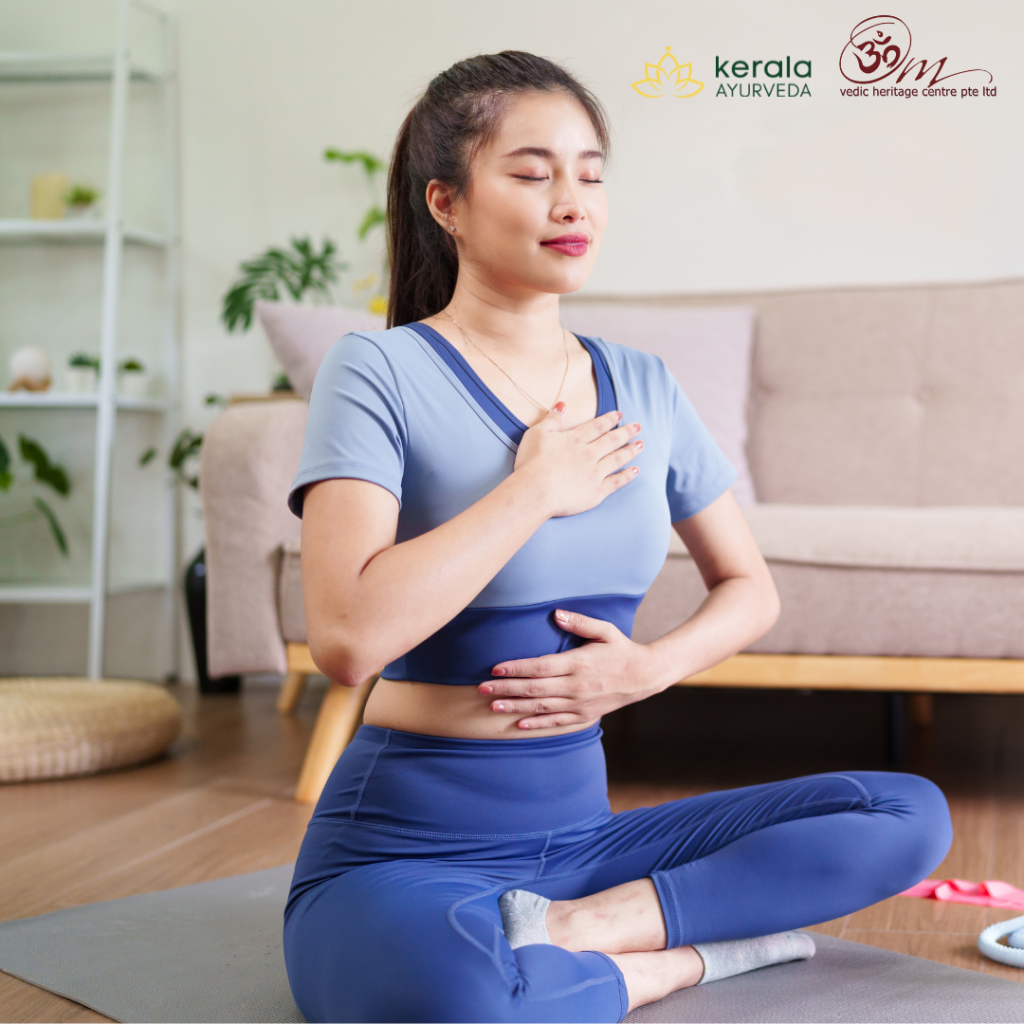
Ayurveda teaches that the mind and body are inextricably linked. A stressed mind disrupts the body, and physical imbalances (like poor digestion) can create mental agitation.
Om Ayurveda therapies work on both aspects simultaneously. For example, a calming body massage (Abhyanga) soothes the mind, while a therapy like Shirodhara releases physical tension through the body.
Three Signature Ayurvedic Therapies for Deep Calm
Three of the most effective treatments for stress relief are:
- Shirodhara (Continuous forehead oil flow)
- Abhyanga (Warm herbal oil massage)
- Shiroabhyanga (Targeted head, neck, and shoulder massage)
- Shirodhara: A stream of warm, medicated oil is poured continuously over the forehead, inducing deep meditative calm and pacifying the central nervous system.
- Abhyanga: Rhythmic full-body massage with warm herbal oils. Grounding, calms anxiety, and relaxes tired muscles.
- Shiroabhyanga: Targeted head, neck, and shoulder massage. Relieves tension and eases mental fatigue.
Guide to Incorporating Ayurvedic Calmness into Your Singaporean Life
Simple daily practices can manage stress:
- Consistent sleep schedule
- Grounding foods
- 5-minute daily self-massage
Practical tips for busy professionals:
- Establish a ‘digital sunset’ by putting away screens an hour before bed.
- Favor warm, nourishing foods like soups and cooked vegetables over cold salads and iced drinks.
- Massage your feet for five minutes with warm sesame oil before sleep to calm the nervous system and promote restful sleep.
Conclusion: Your Path to Lasting Calmness
True calm comes from restoring the body’s natural balance, not just managing symptoms. The essential first step is a professional consultation.