

Understanding Sciatica in Today’s Lifestyle
Sciatica is becoming increasingly common, especially among people who spend long hours sitting at desks, driving, or using computers. In busy cities like Singapore, sedentary work and poor posture often place continuous strain on the lower back.
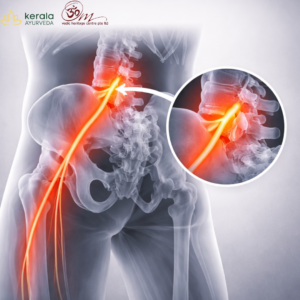
Sciatica occurs when the sciatic nerve, the longest nerve in the body, becomes irritated or compressed. This can lead to symptoms such as:
Lower back pain
Pain radiating down one leg
Tingling or numbness
Burning or shooting pain
Weakness in the leg
For many people, these symptoms can interfere with daily activities such as walking, sitting comfortably, or even sleeping.
While conventional medicine focuses mainly on controlling pain, Ayurveda offers a holistic approach that aims to treat the root cause of the problem.
Conventional Pain Relief vs. the Ayurvedic Approach
Many patients initially rely on painkillers, muscle relaxants, or anti-inflammatory medications to manage sciatica pain. These treatments can help reduce discomfort for a short period, but the relief is often temporary. Long-term use of certain medications may also cause unwanted side effects.
Ayurveda takes a different approach. Instead of only focusing on suppressing pain, it works to restore balance in the body and improve the health of the nerves, muscles, and spine.
According to Ayurvedic principles, most nerve-related pain conditions are linked to an imbalance of Vata dosha, the biological force responsible for movement and nervous system function. When Vata becomes aggravated due to lifestyle factors, it can lead to dryness, stiffness, nerve irritation, and pain.
Ayurvedic treatment therefore focuses on calming Vata, nourishing the nervous system, and improving circulation around the affected areas.
Sciatica in Ayurveda: Understanding Gridhrasi
In classical Ayurvedic texts, sciatica is described as Gridhrasi, a condition caused by aggravated Vata affecting the nerves of the lower back and legs.
Several factors may contribute to this imbalance, including:
Prolonged sitting
Poor posture
Excessive physical strain
Irregular eating habits
Exposure to cold environments
Lack of proper exercise
When Vata increases in the lower back region, it may cause stiffness, restricted movement, and radiating pain along the sciatic nerve.
The goal of Ayurvedic treatment is to restore balance, reduce nerve irritation, and strengthen the muscles and joints that support the spine.
Ayurvedic Therapies for Sciatica at Om Ayurveda
At Om Ayurveda in Singapore, traditional Ayurvedic therapies are carefully designed to support nerve healing and provide lasting relief from sciatica pain. Each treatment plan is personalized based on the individual’s condition and body constitution.
Some of the commonly recommended therapies include:
Abhyanga (Medicated Oil Massage)
Abhyanga involves a therapeutic massage using warm herbal oils that deeply penetrate the muscles and joints. This therapy helps relax tight muscles, improve blood circulation, and reduce stiffness around the lower back and legs.
Kati Vasti
Kati Vasti is a specialized Ayurvedic therapy for lower back pain. In this treatment, warm medicated oil is retained over the lower back for a specific period using a herbal dough ring. The warmth allows the herbal oil to penetrate deeply, helping to nourish spinal tissues and relieve nerve compression.
Pizhichil or Dhara
In this therapy, warm herbal oil is gently poured over the body in a rhythmic manner. This treatment helps calm the nervous system, reduce inflammation, and support overall relaxation and healing.
Ayurvedic Herbal Medicines
Classical Ayurvedic herbal formulations may also be recommended to support nerve strength, reduce inflammation, and improve long-term recovery.
Many patients at Om Ayurveda have reported noticeable improvement in their pain levels, flexibility, and overall comfort after undergoing a series of treatments. With regular therapy and proper lifestyle guidance, several individuals have been able to return to their normal activities with significantly reduced discomfort.
Benefits of Ayurvedic Treatment for Sciatica
Ayurvedic therapies offer several benefits beyond temporary pain relief.
Natural Pain Management
Warm medicated oils and therapeutic techniques help soothe irritated nerves and relax tight muscles.
Reduced Inflammation
Ayurvedic herbs and treatments help reduce swelling around the sciatic nerve.
Improved Mobility
By loosening stiff muscles and improving circulation, Ayurvedic therapies help restore flexibility in the lower back and legs.
Strengthening of Nerves and Muscles
Ayurvedic medicines nourish the nervous system and support long-term spinal health.
What to Expect During Your Treatment at Om Ayurveda
A typical treatment process at Om Ayurveda begins with a detailed consultation.
During the consultation, the practitioner evaluates your symptoms, lifestyle habits, and body constitution. This helps identify the root cause of the pain and determine the most suitable therapies.
Based on this assessment, a personalized treatment plan is created. This may include therapies such as Abhyanga or Kati Vasti along with herbal medicines and lifestyle recommendations.
Each therapy session uses carefully selected herbal oils and traditional techniques aimed at relieving nerve pressure, improving circulation, and promoting natural healing.
Patients are also guided on posture correction, and dietary practices that help support recovery and prevent recurrence.
Common Misconceptions About Sciatica
Many people believe that sciatica always requires surgery or that complete bed rest is the only solution. In reality, a large number of cases improve with proper therapy, posture correction, and strengthening of the back muscles.
When addressed early, supportive treatments such as Ayurvedic therapies, lifestyle adjustments, and targeted exercises can play an important role in reducing symptoms and improving quality of life.
A Natural Path Toward Relief
Sciatica and nerve pain can significantly affect daily comfort and mobility. However, with the right treatment approach, it is possible to manage the condition effectively.
Ayurveda offers a natural and holistic way to address the underlying causes of nerve pain while supporting long-term healing. Through specialized therapies, herbal medicines, and lifestyle guidance, many individuals find lasting relief and improved well-being.
If you are experiencing persistent lower back or nerve pain, exploring Ayurvedic care may help you move toward a more comfortable and balanced life.